
Wellness, mobility and daily comfort for seniors
Maintaining quality of life during senior years involves a multifaceted approach addressing physical health, daily living aids, and social well-being. Key considerations range from preventive healthcare and active aging routines, residential safety adaptations, accessible living spaces and mobility assistance. Integrating these elements supports continued independent living.
The importance of geriatric preventive health measures
Adopting proactive health measures is essential for maintaining lasting well-being and reducing chronic disease risks. By incorporating vaccinations and annual physical exams into your routine, everyone can detect health problems early before they become serious.

Geriatric nutritional planning principles
A balanced diet rich in essential nutrients supports energy levels, immune function, and bone health. Personalized dietary plans help ensure nutritional needs are consistently met.

Cognitive stimulation and health engagement
Engaging in brain training exercises, such as puzzles, reading, or learning new skills, can help support cognitive preservation and contribute to memory retention over time.

Chronic condition and medication management
Continuous glucose monitoring for diabetes or hypertension, coupled with consistent medication management, is crucial for preventing complications and maintaining overall physiological stability.

Value of regular medical screenings
Adhering to a schedule of preventive screenings for auditory exams, vision, and other age-related concerns allows for early detection and timely intervention when necessary.

Adapt your home
Adapt the house for accessible living and safety
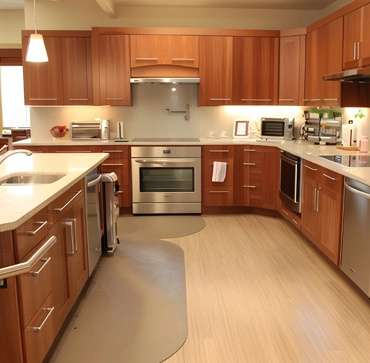
Accessible kitchen design
An accessible kitchen design ensures cabinets, appliances, and workspaces are reachable, reducing strain and enhancing independent cooking.
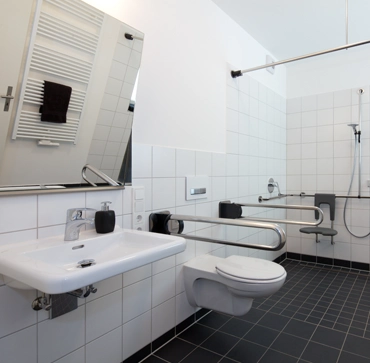
Bathroom accessibility modifications
Installing safety grab bars, non-slip mats, and curbless showers significantly improves hygiene accessibility and minimizes the risk of falls.
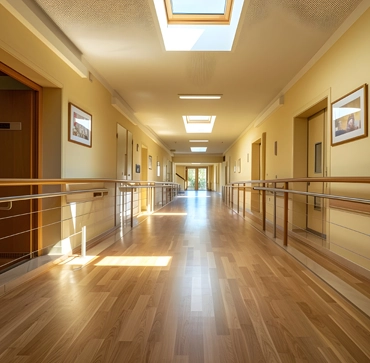
Barrier-free doorways and hallways
Expanding doorway widths allows easy passage for mobility scooters or wheelchairs, enhancing barrier-free movement in the home.
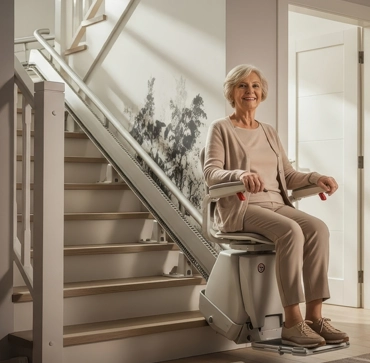
Platform lifts or ramps solutions
Adding stairlifts or platform lifts provides safe access to different levels of the home, preventing accidents on steep staircases.
Supplemental senior insurance: access to specialized care

Seniors face specific medical needs, often more frequent and costly than younger people. Supplemental insurance plans help cover costs not covered by the basic plan, such as dental coverage, vision care, hearing aid reimbursement, or specialized treatments. This ensures easier access to quality care without compromising budgets, providing peace of mind against unexpected medical expenses.
Presence and Assistance
The essential role of home caregivers in daily life
Caregivers play a key role in improving the quality of life for dependent individuals. Their daily involvement includes personal care assistance like washing, dressing, and meal preparation, plus essential moral support to combat isolation. By providing a respite care presence, they help prevent domestic accidents and ensure medication adherence. Each support service is tailored to specific needs, helping to maintain independence, enhance well-being, and reassure loved ones about safety and home comfort.

Devices and mobility aids to improve travel
Facilitate safe mobility for seniors
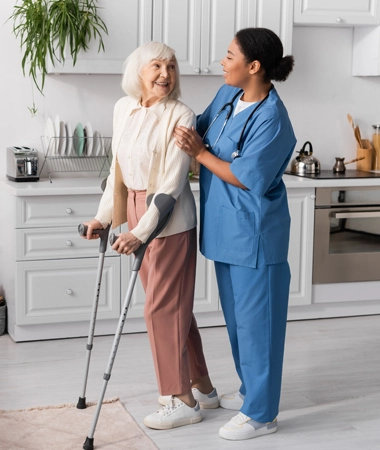
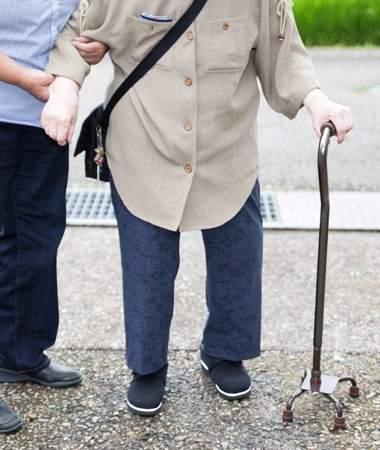
Stability Canes
A quad cane provides extra balance and stability for walking, reducing the risk of slipping.
Rollators and Walkers
Rollators offer strong support and confidence for mobility-impaired users who need assistance with every step.
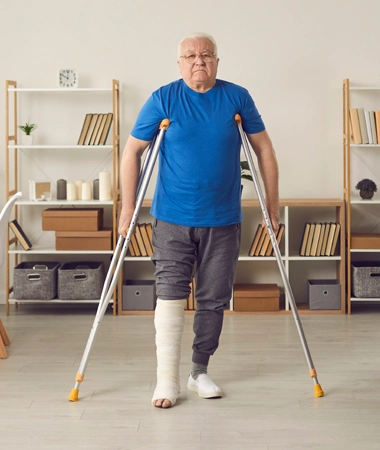
Forearm Crutches
Forearm crutches help redistribute weight away from injured legs or feet, aiding rehabilitation mobility.